
Concrete sealing · Tyler, TX
Concrete sealing in Tyler, TX that keeps water and stains out
Concrete sealing in Tyler, TX protects driveways, patios, walkways and stamped concrete from water, oil stains and sun. We clean the surface, fill and seal joints, and apply the right sealer for how the concrete is used.

Signs it needs sealing
Water and stains are winning
- Water soaks in and darkens the concrete instead of beading up
- Oil, rust or leaf stains will not wash out
- Stamped concrete has faded and lost its shine
- The surface is starting to dust, pit or flake
Two kinds of sealer
Penetrating sealers (silane and siloxane) soak into the concrete and react inside it. They do not change the look or the grip, and they keep water out from within. They suit plain broom-finished driveways and walks.
Film-forming sealers (acrylics, and harder urethanes and epoxies) sit on top as a thin coat. They bring out color and add a sheen, which is why they are used on stamped and colored concrete. They wear and need recoating more often.
Why sealing matters here
Water is the main enemy. When it gets into the concrete and under the slab through open joints, it carries away base, feeds clay movement and breaks down the surface. In an East Texas summer, sun also fades color and breaks down cheap sealers. Sealing the surface and the joints slows all of that down. How clay soil and water work on concrete.
When to seal
New concrete should cure first, usually about a month, before most sealers go on. After that, penetrating sealers last several years, and film sealers on stamped concrete usually need recoating every two to three. Seal on a dry stretch of days with mild temperatures.
What the job includes
Sealing is mostly prep. The surface is pressure washed and degreased, and existing cracks and open joints are filled so water cannot get underneath. Then the sealer goes on in thin, even coats. Rushing that prep is why some sealers peel or turn cloudy. Cracks that need repair first.
Done to standard
How we do it to standard
-
Good looking and safe when wet.
We add a slip-resistant grit to sealer around pools, on steps and on sloped stamped surfaces.
Sealed stamped concrete can be slick when wet. Grit fixes most of that without changing the look.
-
The right protection for that surface.
We use penetrating silane or siloxane on plain concrete and film-forming sealers on stamped or colored concrete.
The wrong sealer either changes the look you wanted or wears off in a season.
-
Water stays on top of the slab.
We seal open joints and cracks with a flexible sealant on repair and sealing jobs.
Open joints let water under the slab, where it carries off base and swells the clay.
-
A clear finish that stays clear.
We seal new concrete only after it cures, and only on a dry surface in mild weather.
Sealer over trapped moisture turns cloudy and peels.
-
You know what you are paying for.
We put the thickness, steel, finish, prep and haul-off in a written scope before anything is scheduled.
Two quotes for the same driveway can be for very different slabs. The scope is how you compare them.
Step by step
How a sealing job goes
-
Clean
Pressure wash and degrease.
-
Fix joints and cracks
Fill so water cannot get under the slab.
-
Dry
The surface has to be dry before sealing.
-
Seal
Thin, even coats, then time to cure.
Know the words
Terms you'll hear
- Acrylic sealer
- A sealer that forms a thin film on top of the concrete. It deepens color and adds sheen, and it wears and needs recoating every few years.
- Silane and siloxane
- Penetrating sealers that soak in and react inside the concrete. They keep water out without changing the look or grip of plain concrete.
- Joint failure
- Joints that are open, crumbling or have lost their sealant. An open joint is a path for water under the slab.
- Cloudy sealer
- A sealer that turned white or cloudy. Usually moisture trapped under it or too thick a coat.
- Crack routing and sealing
- Widening a crack slightly so sealant can bond inside it. Unrouted cracks shed sealant. Routed ones hold it.
From our recent work
More photos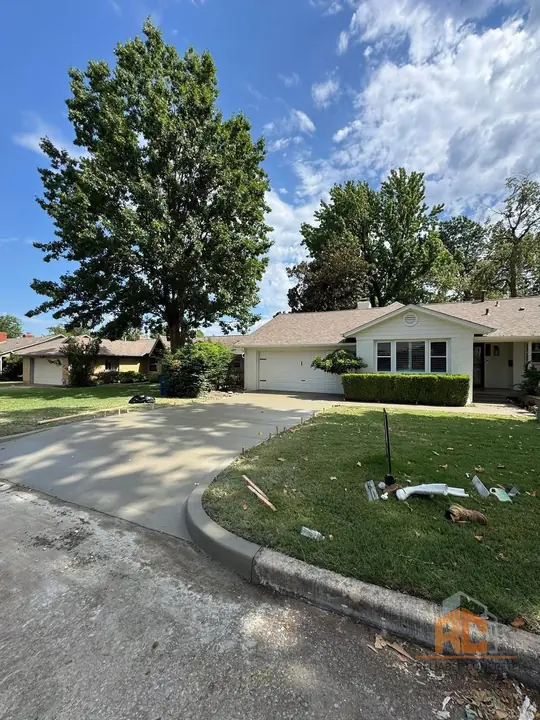
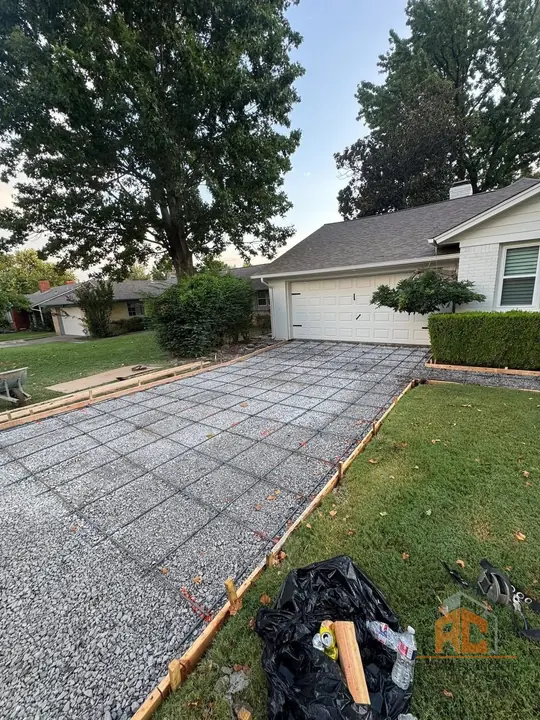
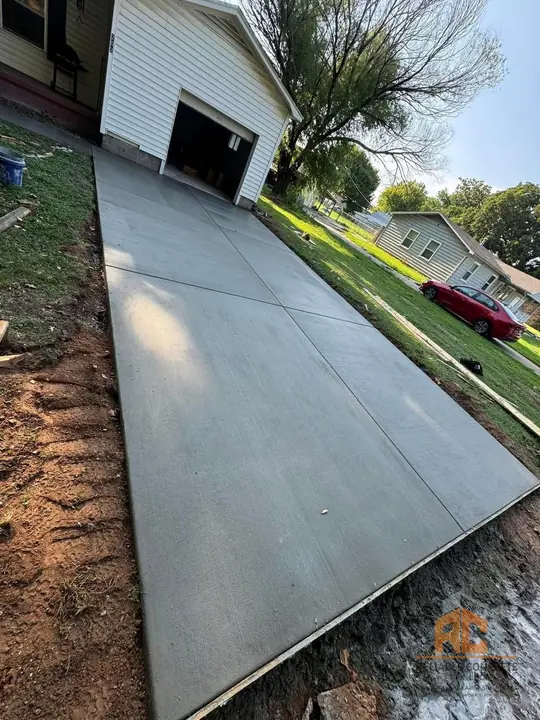
Questions we hear
Frequently asked
Does sealing make concrete slippery?
Penetrating sealers do not change the grip. Glossy film sealers can be slick when wet, and a grit additive fixes most of that.
Can you seal stamped concrete that has faded?
Usually, yes. It gets cleaned, any failed sealer is dealt with, and a fresh coat brings the color back.
How soon can I seal a new driveway?
Most sealers need the concrete to cure for about 28 days first. New driveway care.
How often does concrete need resealing?
Film sealers on stamped concrete usually every two to three years. Penetrating sealers last longer.
Ready to talk about your concrete?
Let's get your project on solid ground.
Tell us what you need and we'll get back to you to talk it through and set up a time to look at the job.
Prefer to call?(903) 555-0100