Concrete resurfacing · Tyler, TX
Concrete resurfacing in Tyler, TX for worn but solid slabs
Concrete resurfacing in Tyler, TX puts a thin, bonded overlay over a worn, pitted or stained driveway, patio or walkway, so it looks new without tearing it out. It works when the slab underneath is solid, and we check that first.

Is it right for you?
The slab is solid but looks tired
- The surface is pitted, scaled or flaking, but the slab is not broken
- Old stains and patches make it look patchy
- You want a fresh color or texture without a full replacement
- The concrete is level and not sinking
What resurfacing is
A resurfacer is a polymer-modified cement overlay, troweled or squeegeed on from a feather edge up to about half an inch thick. The polymers let it bond to old concrete and give it more flexibility than plain concrete. It can be finished smooth, broom textured, or with a pattern or color.
When it will work and when it will not
An overlay is only as good as the slab under it. It is a good fix for surface wear, scaling, light pitting and ugly stains. It will not fix a slab that has sunk, heaved or is broken through, and active cracks will come back up through the new surface. Those need repair or replacement first. Can cracked concrete be resurfaced?
Prep is most of the job
The old surface is pressure washed, cleaned of oil and sealer, and usually ground or profiled so the overlay has something to grip. Cracks are repaired and joints are marked so they can be cut back through the new surface. Skipping prep is why cheap overlays peel.
Resurfacing vs. replacing
Resurfacing usually costs well under a full replacement and avoids tear-out, haul-off and days without your driveway. Replacement wins when the slab is failing structurally. How to tell the difference.
Done to standard
How we do it to standard
-
The coating is bonded, not just stuck on.
We diamond grind or shot blast the surface to an open profile before an overlay or coating.
Coatings and overlays need something to grip. Washing or acid etching alone is why DIY coatings peel.
Standard ICRI 310.2R defines concrete surface profiles (CSP 1 to 10); most thin coatings call for CSP 2 to 3.
-
The fix lasts because the cause was fixed.
We find out why the concrete failed (water, washout, clay, roots, overload) before quoting the repair.
A patch over an active problem fails again. The cause usually costs less to fix than the repair.
-
The color you picked is the color you get.
We show color and pattern samples and get your choice in writing before ordering.
Concrete color looks different on a chart, wet and cured. Agreeing up front avoids surprises.
Standard ASTM C979 covers pigments for integrally colored concrete.
-
You spend on the option that lasts.
We tell you plainly when a slab is past repairing and when it is not.
Repeated repairs on a failed slab cost more than replacing it. Replacing a sound slab wastes money the other way.
-
The new surface lasts as long as the slab does.
We only overlay or coat concrete that is stable, and repair active cracks first.
A thin overlay or coating follows the slab under it. Moving cracks come back through.
-
You know what you are paying for.
We put the thickness, steel, finish, prep and haul-off in a written scope before anything is scheduled.
Two quotes for the same driveway can be for very different slabs. The scope is how you compare them.
Step by step
How a resurfacing job goes
-
Check the slab
Make sure it is solid and not moving.
-
Clean and profile
Wash, degrease and grind.
-
Repair cracks
Fill cracks, mark the joints.
-
Overlay and finish
Apply, texture, cut joints, seal.
Know the words
Terms you'll hear
- Spalling
- Chunks or flakes breaking off the concrete surface. Usually water and a weak surface. Small spots get patched, widespread spalling gets resurfaced.
- Polymer-modified overlay
- A thin cement overlay with polymers that let it bond to old concrete. It renews a worn surface without tearing out the slab, if the slab under it is sound.
- Diamond grinding
- Grinding the concrete surface with diamond tooling. It opens the surface so coatings and overlays can bond, and grinds down trip edges.
- Laitance
- A weak layer of fine paste on top of concrete. Coatings stuck to laitance peel with it. Grinding removes it.
- Shot blasting
- Profiling concrete by throwing steel shot at it. A fast way to open large floors for coatings.
- Portland cement
- The binder in concrete that reacts with water and hardens around sand and stone. Cement is not concrete. The ratio of water to cement is what sets strength.
From our recent work
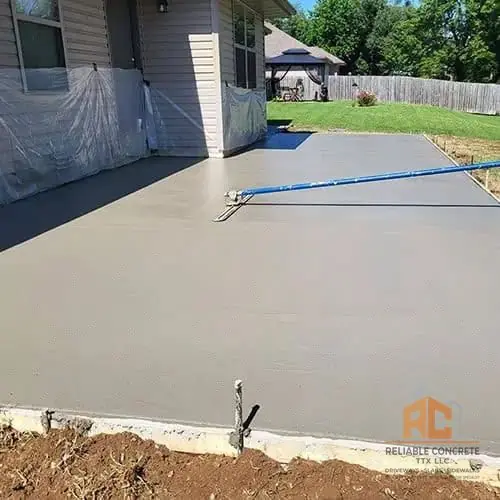
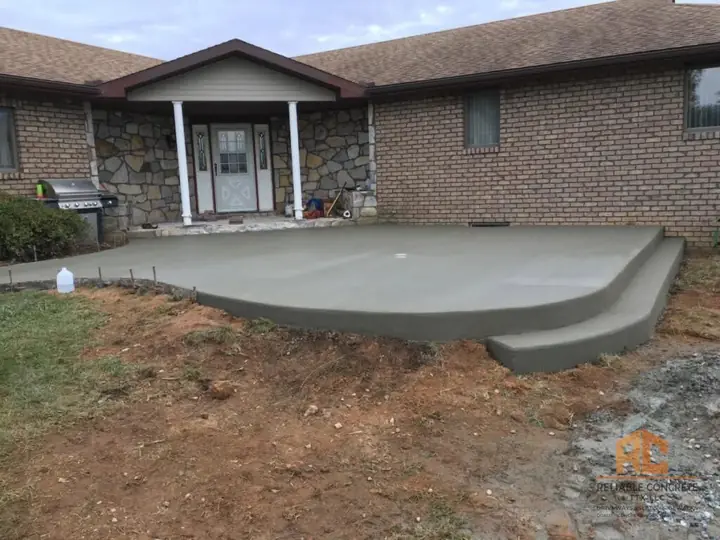
More photos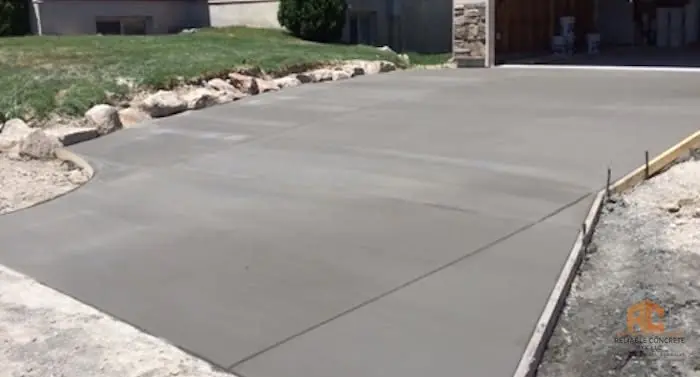
Questions we hear
Frequently asked
How long does resurfacing last?
On a sound slab with good prep, many years. Sealing it helps it hold up to water and wear. About sealing.
Can I drive on a resurfaced driveway quickly?
Usually within a day or two for cars, depending on the product and the weather.
Is resurfacing the same as stamped concrete?
No. Stamping is pressed into fresh concrete. A resurfacer can be textured to look similar, but it is a thin coat on existing concrete. About stamped concrete.
Ready to talk about your concrete?
Let's get your project on solid ground.
Tell us what you need and we'll get back to you to talk it through and set up a time to look at the job.
Prefer to call?(903) 555-0100